Historical Context
Concise summaries of the Darfur genocide, the fall of al-Bashir, the 2019 revolution, and the 2021 coup that establishes the roots of the current conflict.
Historical background (overview)
Sudan’s modern instability reflects longstanding center–periphery grievances, militarized politics, and the formalization of militia power into state‑adjacent forces. The Rapid Support Forces (RSF) evolved from Janjaweed militias used in Darfur and were institutionalized as a powerful paramilitary actor, creating a parallel security structure that later clashed with the Sudanese Armed Forces (SAF)
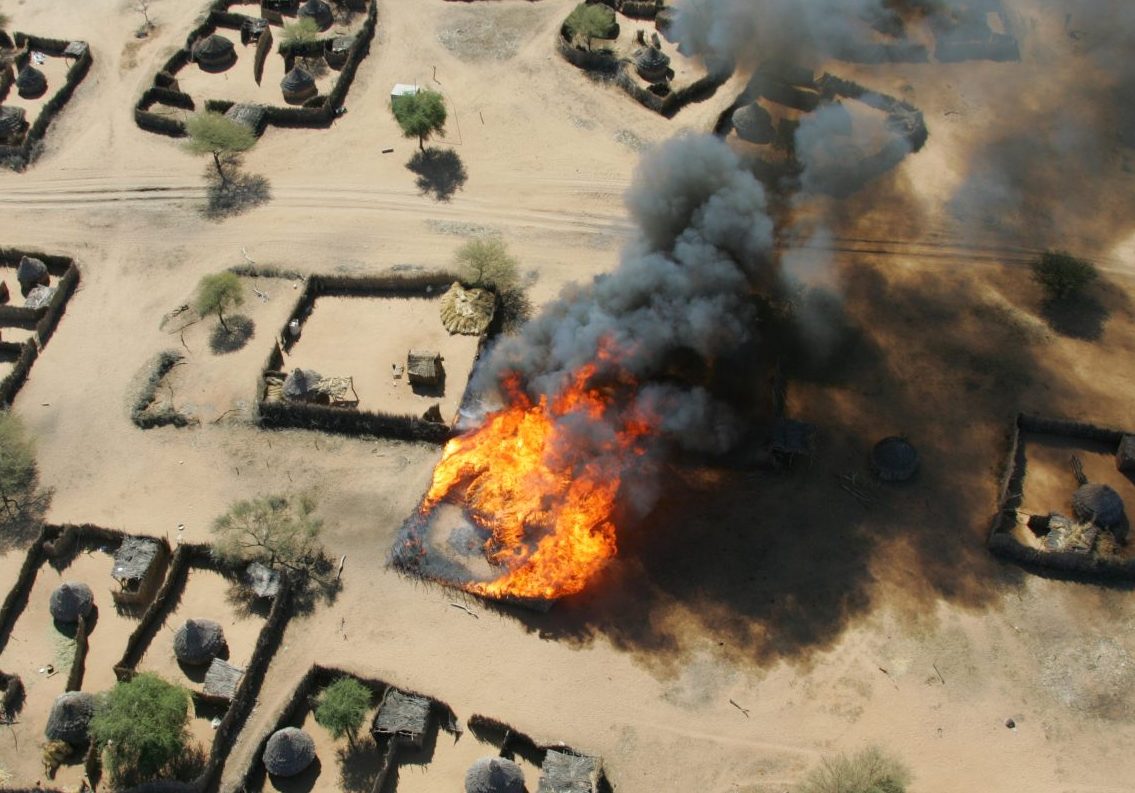
Darfur genocide
The Darfur genocide was the systematic killing of ethnic Darfuri people during the War in Darfur. The genocide, which was carried out against the Fur, Masalit and Zaghawa ethnic groups, led the International Criminal Court (ICC) to indict several people for crimes against humanity, rape, forced transfer and torture. An estimated 200,000 people were killed between 2003 and 2005. Other sources estimate that between 2003 and 2008, the conflict resulted in about 300,000 civilian deaths and about 2.7 million displaced civilians.
- What happened: Beginning in 2003, government‑backed Arab militias known as the Janjaweed carried out mass killings, village burnings, rape, and forced displacement against non‑Arab communities in Darfur. The campaign produced hundreds of thousands of deaths and millions displaced, and has been widely described as crimes against humanity and, by many observers, genocide.
- Why it matters now: The legacy of ethnicized violence, impunity, and the later transformation of Janjaweed elements into the RSF left deep social fractures and a militarized actor with territorial ambitions—factors that re‑emerged in the 2023 conflict.
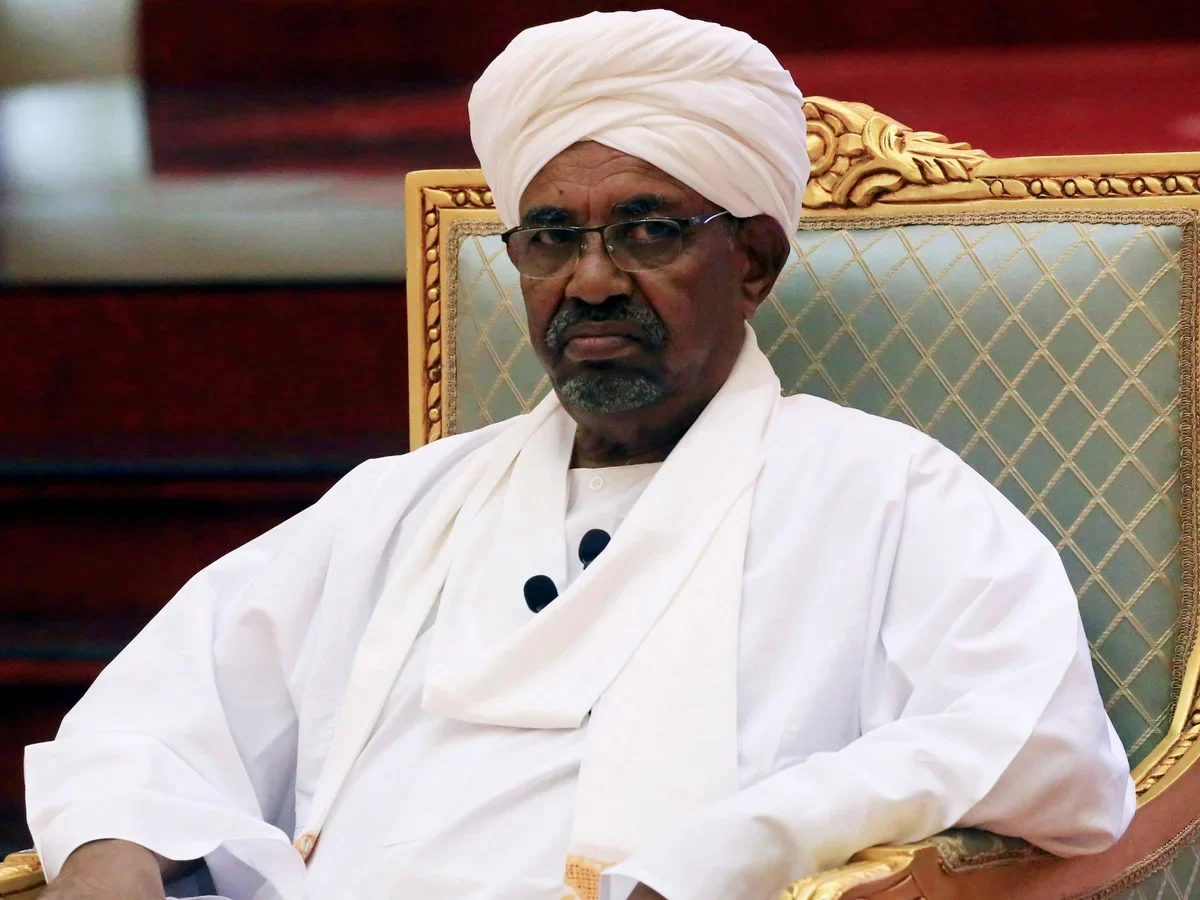
Fall of Omar al‑Bashir
Omar Hassan Ahmad al-Bashir (born 1 January 1944) is a Sudanese former military officer and politician who served as Sudan's head of state under various titles from 1989 until 2019, when he was deposed in a coup d'état. He was subsequently imprisoned, tried and convicted on multiple corruption charges.
- What happened: Mass protests that began in December 2018 over economic hardship escalated into a nationwide movement demanding Bashir’s removal. On 11 April 2019 the military deposed Omar al‑Bashir after 30 years in power, ending his authoritarian rule but leaving the security apparatus intact and politically dominant.
- Why it matters now: Bashir’s ouster created a power vacuum and a transitional arrangement that depended on uneasy bargains with military and paramilitary leaders—arrangements that failed to dismantle the security actors who later fought for control.
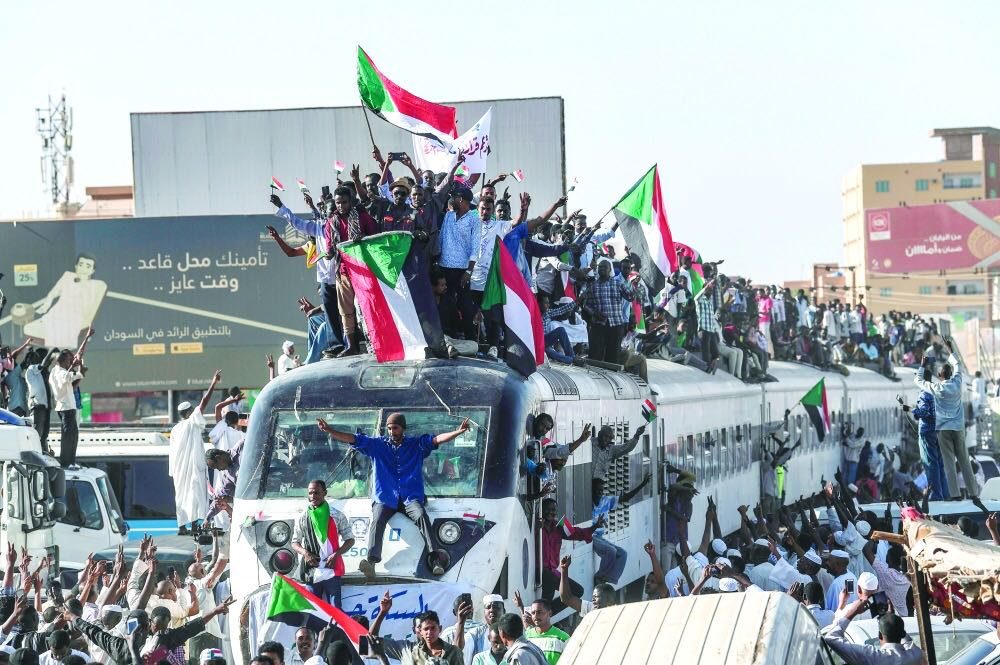
The 2019 revolution
Sudan's 2019 Revolution was a mass popular uprising that began in December 2018, leading to the ousting of dictator Omar al-Bashir on April 11, 2019, after 30 years in power, following sustained civil disobedience and protests demanding democracy, freedom, and justice.
This led to a military coup, establishing a Transitional Military Council (TMC), but protesters continued demonstrations, culminating in the June 3 Khartoum massacre, a violent crackdown by forces clearing the sit-in. Ultimately, negotiations resulted in a power-sharing agreement between the military and civilian groups (Forces of Freedom and Change - FFC) for a transitional government, though this fragile democracy was later disrupted by further military actions.
- What happened: The Sudanese Revolution was a largely nonviolent, broad‑based movement demanding civilian rule, accountability, and economic reform. Protesters forced a negotiated transition that briefly produced a mixed civilian–military Sovereignty Council and a promise of elections and reform in 2019–2020.
- Why it matters now: The revolution energized civil society and set expectations for democratic change, but it did not neutralize entrenched military power; the transitional period became a contest between reformers and security elites.
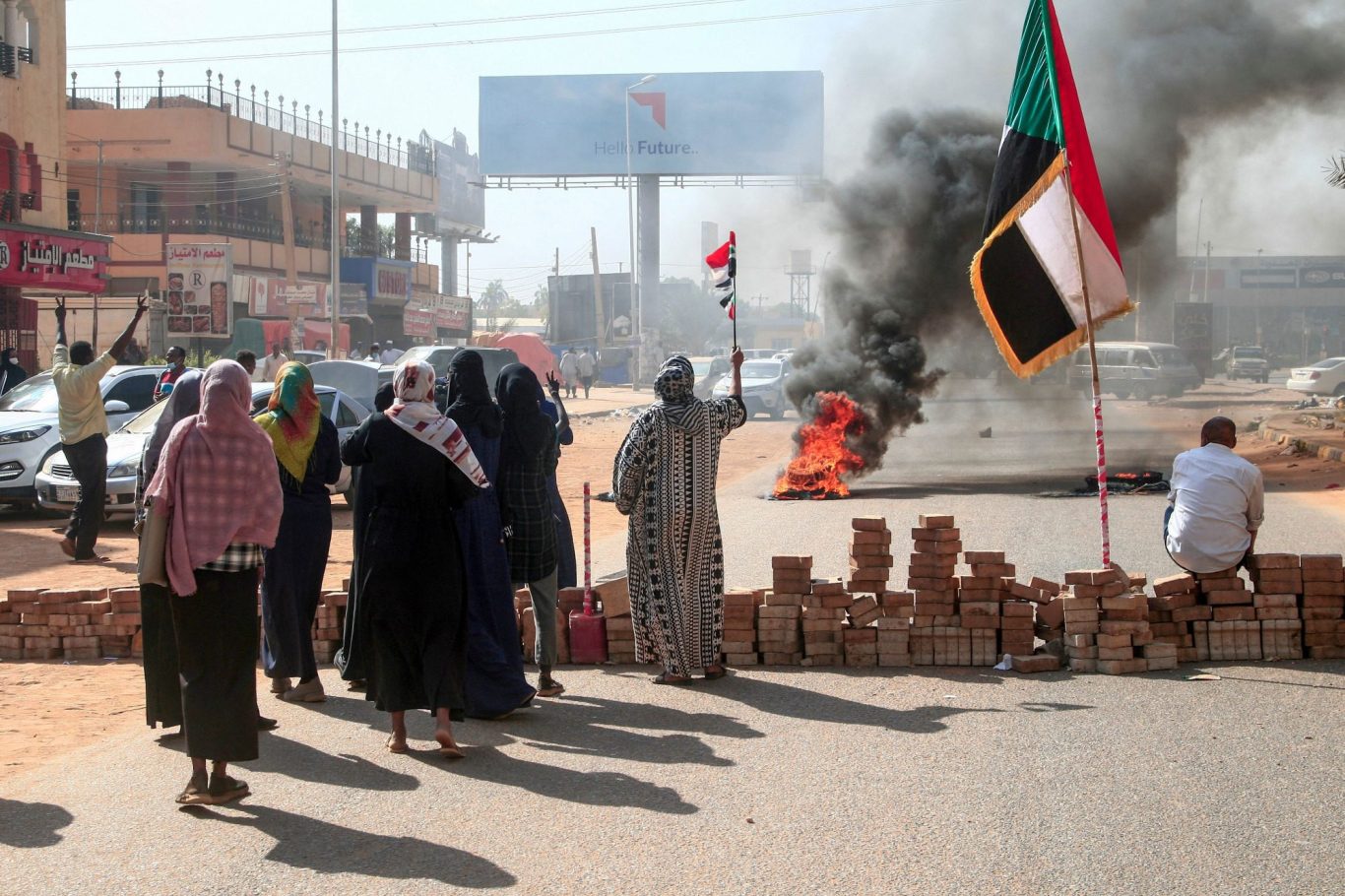
The October 2021 coup
On 25 October 2021, the Sudanese military, led by General Abdel Fattah al-Burhan, took control of the Government of Sudan in a military coup. At least five senior government figures were initially detained.
- What happened: On 25 October 2021 the military, led by General Abdel Fattah al‑Burhan, detained civilian leaders and dissolved the transitional institutions, effectively reversing the civilian gains of the revolution and triggering mass protests and political fragmentation.
- Why it matters now: The coup deepened mistrust between the SAF and RSF over integration and command, accelerated rival power‑building, and set the immediate political conditions—competing chains of command and failed negotiations—that exploded into open warfare in April 2023